Green Mountain Energy® Blog

Virtual Power Plants: The Smart Way to Power a Cleaner Future


The clean energy movement is getting a high-tech boost — and it’s happening right in our homes. Virtual power plants (VPPs) are changing the way we think about electricity, making it easier than ever to support a more sustainable grid. In this post, we’ll break down what VPPs are, how they work and why they’re a big deal for the future of renewable energy.

Find a renewable energy plan that helps your home go green.

Enter your ZIP code to get started.

Please enter a valid input

What is a virtual power plant?

A virtual power plant is a cloud-based network that connects decentralized energy resources (DERs) and coordinates how they respond to anticipated or real-time grid needs. Unlike a traditional power plant, a VPP is not confined to a single site. Instead, it links many devices across different locations and transforms them into a unified system.

A VPP uses smart software and real-time data to direct when DERs use, store or supply energy. And together, these actions can reduce the strain on the grid and create a flexible energy system.

Depending on the program, a VPP may include DERs such as:

  • Home and commercial batteries

  • Rooftop solar panels

  • Smart thermostats 
     

  • Residential HVAC systems
     

  • Heat pumps
     

  • Electric water heaters
     

  • Heat-pump water heaters 
     

  • Smart electrical panels
     

  • Electric vehicles and EV chargers
     

  • Clean-energy generators
     

  • Commercial or industrial equipment with flexible energy use


How do virtual power plants work?

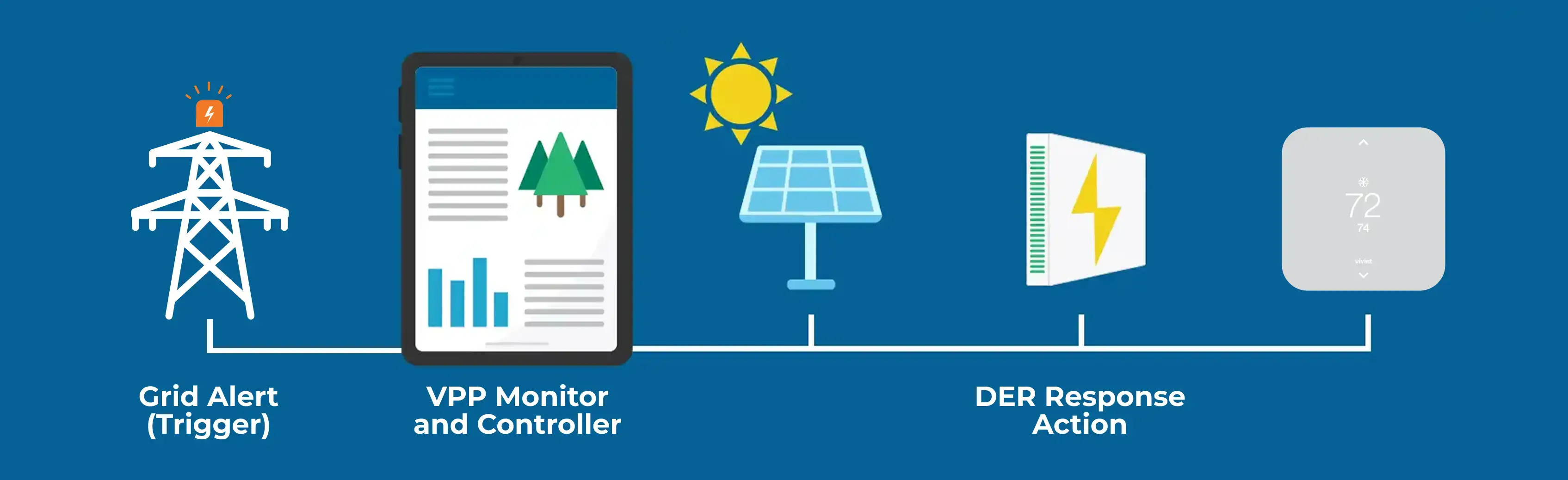
VPPs generally operate through planned or real-time events. Behind every VPP event is a collaborative process that determines when and how DERs respond. So, how does a VPP coordinate hundreds or even thousands of devices across different locations? It starts with real-time information and a signal that sets the VPP into action.

  1. The VPP evaluates current conditions. The VPP will monitor grid signals and device availability. This helps determine which resources should respond and how they should be used.

  2. A need for grid support is identified. Based on forecasts or real-time conditions, a utility, grid operator or VPP administrator may signal that electricity demand is expected to rise or additional support is needed.

  3. Available DERs respond. The software sends instructions to available DERs based on the type of support needed. Depending on the program, it may adjust a smart thermostat, delay EV charging, change when a water heater runs or draw stored energy from batteries.

  4. Devices return to normal operation. After the VPP event ends, the devices gradually return to their usual settings or charging schedules.

Types of virtual power plant programs

Virtual power plant programs are commonly offered by utilities, electricity providers, government agencies and energy technology companies. And they’re typically available to homeowners, small businesses, commercial or industrial facilities, agricultural operations and third-party aggregators.

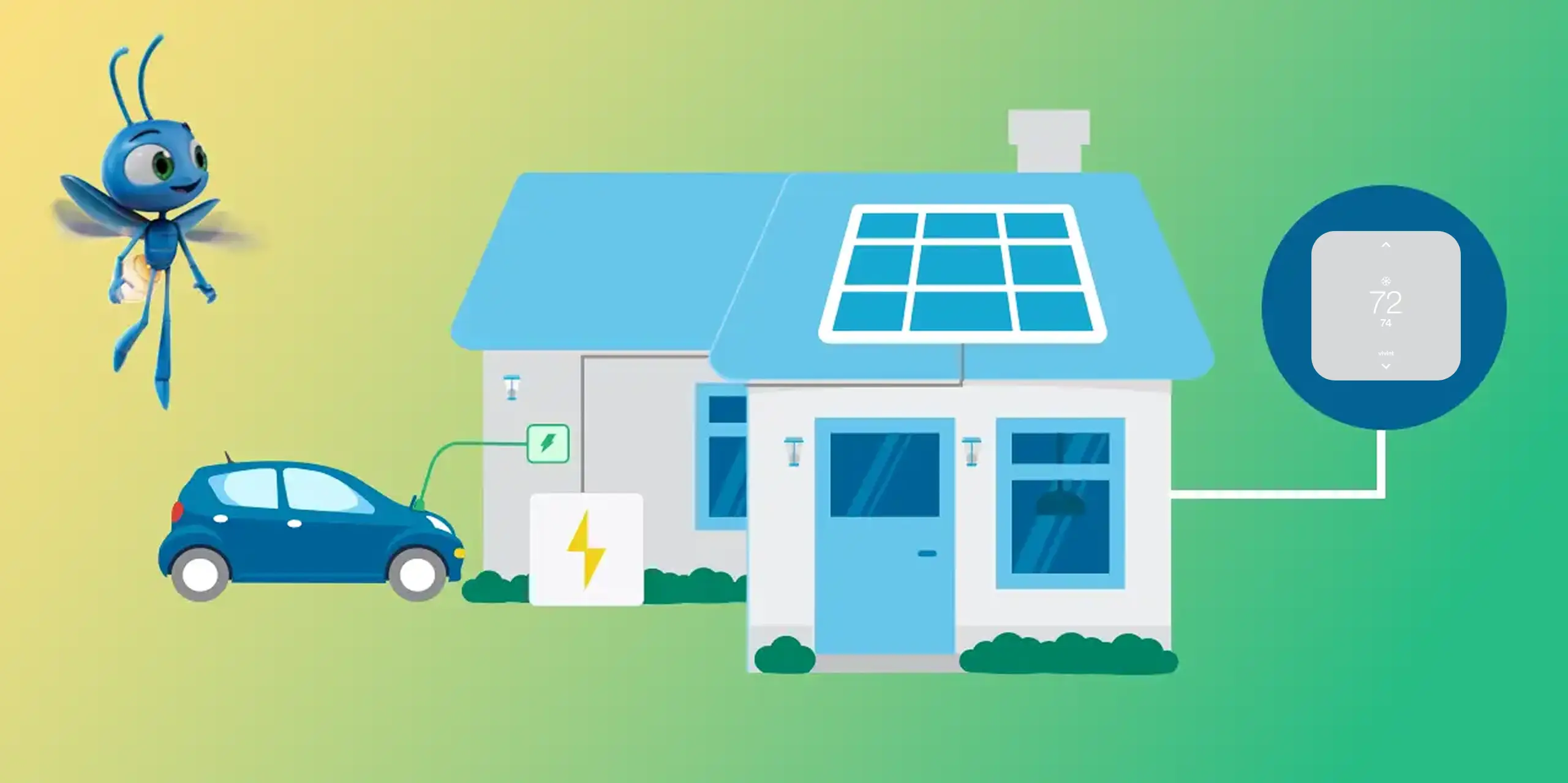
VPP programs can vary based on the types of DERs they coordinate and how those devices support the grid. Some programs adjust or shift electricity use, while others manage charging schedules or draw on stored power. Additionally, a program may focus on one type of technology or combine several devices to provide different forms of grid support.

Some of the most common VPP program types include:

  1. Smart thermostat programs – During a VPP event, smart thermostats may automatically adjust by a few degrees to reduce HVAC-related energy use. The Ready, Set, Relax thermostat program offered by Green Mountain Energy is a great example.

  2. Battery and solar-plus-storage programs – These programs coordinate residential and commercial batteries, as well as batteries paired with rooftop solar panels. A VPP may charge the batteries when electricity is more readily available and draw on their stored power when the grid needs additional support.

  3. Managed EV charging programs – These programs can delay, slow or stagger EV charging sessions to avoid adding demand during peak electricity usage. Some programs may also use bidirectional charging, which allows compatible EVs and charging equipment to supply stored electricity to a home, building or the grid.

  4. Flexible-load programs – These programs coordinate devices or equipment whose electricity use can be reduced or shifted without significantly disrupting normal operations. Common types of DERs used in this program include electric water heaters, heat pumps, smart appliances and building controls.

  5. Multi-device programs – Some VPPs combine several DERs within the same network, such as smart thermostats, batteries, solar systems and EV chargers. This gives the VPP more options for responding to grid needs because different resources can reduce demand, store electricity or supply power.

Benefits of virtual power plants in the clean energy transition

Virtual power plant programs are more than just a cool tech upgrade; they’re a key part of building a cleaner, more resilient energy system. Here’s why:

  • They support renewable energy by helping smooth out the ups and downs of solar and wind production. 

  • They reduce the need for backup power plants used during high-demand times, helping cut carbon emissions and reliance on non-renewable energy.

  • They make the grid stronger by distributing energy resources across communities.

  • They empower people to take part in the energy system, shifting control from centralized plants to everyday homes and businesses.

  • They help lower carbon emissions, creating a cleaner energy mix for everyone. They help lower 

When you join a VPP, you’re not just saving energy; you’re helping create a cleaner, more resilient future for your community.

Benefits of joining a virtual power plant 

Joining a virtual power plant program isn’t just good for the planet; it can be good for your wallet, too:

  • You may receive a bill credit for participating in automated demand response programs, which incentivize users to reduce or shift electricity usage during peak times to help balance the grid.

  • Get more control over your electricity usage through smart home technology.

  • Enjoy a hands-off experience once your devices are connected. The VPP will perform the heavy lifting through automatic management of energy usage and storage. 

  • Make a difference by supporting a more sustainable grid.

Are virtual power plans worth it for homeowners? 

VPP programs can be worth exploring if you want a low-effort way to do more with the energy tools in your home. Depending on the program, you may receive bill credits, enrollment incentives or performance-based rewards.

The key is finding a program that works for you. Before enrolling in a VPP program, find out if you have any devices that are eligible to participate in a program, how often VPP events occur and how long they last. 

You’ll also want to pay attention to the program’s opt-out rules. Some programs allow you to override a single event, temporarily pause your participation or leave the program entirely. 

If the program’s requirements work for your home and lifestyle, joining a VPP can be a practical way to earn additional value from your energy setup, while helping reduce strain on the grid.

Ready to join the clean energy movement?

Virtual power plants are transforming how we produce, use and share electricity. With smart devices like our Home Essentials bundle, renewable energy systems and a 100% renewable energy plan from Green Mountain Energy, you can be part of the solution.
Frequently asked questions

A VPP, or virtual power plant, is a network of connected energy resources that work together to help balance electricity supply and demand. Instead of relying on one traditional power plant, a VPP uses smaller resources from homes and businesses to help support the grid when it’s needed.

You’ll need compatible devices like a smart thermostat, solar panels or a home battery. Many virtual power plant programs work with devices you may already have.

By reducing reliance on fossil fuels and supporting renewable energy, VPPs help lower carbon emissions and make the grid more efficient.

Depending on the program, you may receive an upfront incentive, bill credits, recurring payments or performance-based rewards. The type and amount of compensation depend on the program, eligible technology and level of participation.

Start by checking whether a VPP program is available in your area and whether your electricity account, property or equipment meets its requirements. Programs may be offered by utilities, electricity providers, government agencies, technology companies or third-party aggregators. If you’re eligible, follow the provider’s enrollment steps to connect your eligible home energy technology.

They can. Some virtual power plant programs offer bill credits or other incentives for participating, but savings vary based on the program and your location.

Find a renewable energy plan that helps your home go green.

Enter your ZIP code to get started.

Please enter a valid input