Green Mountain Energy® Blog

Solar and Wind Energy: What’s the Difference?


Solar and wind are two of the most recognizable renewable energy sources, but they generate electricity in very different ways. Explore how each technology works, the benefits they offer and the role they can play in a cleaner energy future.


Some history about solar power

People have been finding ways to harness the sun’s energy for centuries. What began with using sunlight to create heat and fire eventually led to the solar panels and power systems we use today.

  • 7th century B.C. – Magnifying glasses were used to concentrate sunlight and start fires. Ancient Greeks and Romans later used reflective “burning mirrors” to light torches for religious ceremonies. 

  • 1st–4th centuries A.D. – Roman bathhouses were designed with large, south-facing windows that brought in the sun’s warmth, an early example of passive solar design. Centuries later, ancestors of the Pueblo people built south-facing cliff dwellings that captured warmth from the winter sun. 

  • 1767 – Swiss scientist Horace de Saussure built what is considered the world’s first solar collector.

  • 1839 – French physicist Edmond Becquerel discovered the photovoltaic effect, the process that allows certain materials to generate electricity when exposed to light. 

  • Late 1800s–early 1900s – Scientific advances from Samuel P. Langley, Albert Einstein, Jan Czochralski and others improved the understanding of light, electricity and the materials later used in solar cells.

  • 1954 – Bell Laboratories developed the first practical silicon solar cell capable of converting enough sunlight into electricity to power electrical equipment.

  • 1958–1960s – Solar cells began powering satellites, demonstrating that photovoltaic technology could provide electricity in places where energy sources were unavailable.

  • 1977 – The federal government established a laboratory dedicated to solar energy research, now known as the National Renewable Energy Laboratory.

  • 1980s–1990s – Advancements in solar cells, system design, energy storage and efficiency made solar technology more practical and accessible.

  • 2000s and beyond – Solar installations expanded as technology improved, manufacturing grew and costs declined.

Solar technology has changed considerably over the years, but the idea behind it remains simple: put the sun’s abundant energy to work.


How solar energy work

Solar technologies capture energy from sunlight in two main ways. Photovoltaic panels convert sunlight directly into electricity, while concentrating solar-thermal systems use mirrors to collect heat that can be used to generate electricity. Watch this short video for a closer look at how solar panels work.


Benefits of solar power

Solar energy has many environmental and economic benefits. Because sunlight is naturally replenished and inexhaustible, solar offers a sustainable way to meet a variety of energy needs.

The benefits can add up for homeowners, too. If you own solar panels, generating your own electricity may help lower your monthly electricity bills and potentially increase your home’s value. Solar panels also tend to require little maintenance once installed. And when your panels produce more electricity than your home needs, that extra power can be sent to the grid rather than going unused. If you’re enrolled in a solar buyback program, you may even earn bill credits based on how much excess energy your panels send to the grid.


Fun facts about solar energy

  • The sun is the most abundant energy source in our solar system.

  • The earth gets more energy from the sun in one day than the whole world’s population uses in an entire year.

  • Solar power is used on a wide scale, but it only provides a fraction of the world’s energy supply.

  • Texas is one of the nation’s leading producers of solar electricity.  


Some history about wind power

People have put the wind to work for centuries. While its earliest uses focused on tasks like grinding grain and pumping water, new technologies eventually made it possible to harness wind for electricity. Here’s a look at a few key milestones in its development:  

  • 500–900 A.D. – Persians used windmills to grind grain and pump water. The technology later spread across the Middle East and reached Northern Europe around 1000 A.D.

  • 1850 – The first U.S. wind engine company was established.

  • 1890 – Windmills were being used to generate electricity and pump water.

  • 1940s – A 1.25-megawatt wind turbine supplied electricity to a local utility in Vermont.

  • 1980s – The first large-scale wind farm was developed in California.

  • 2000s – U.S. wind capacity expanded, offshore wind technology advanced and the U.S. Department of Energy explored how wind could meet 20% of the nation’s electricity demand.

It’s safe to say wind power has come a long way.


How wind energy works

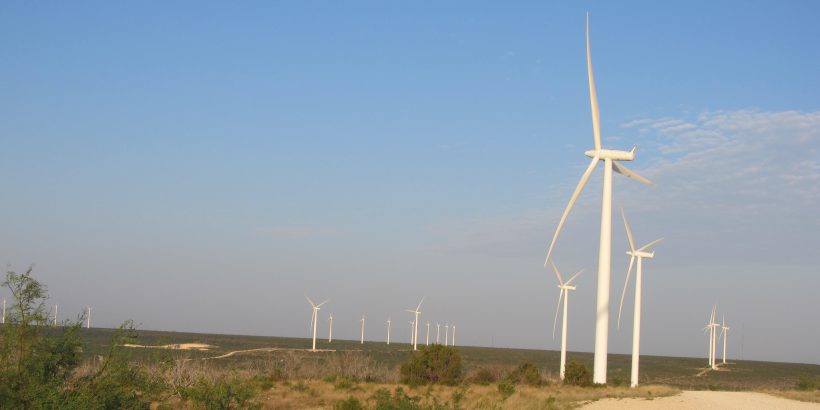
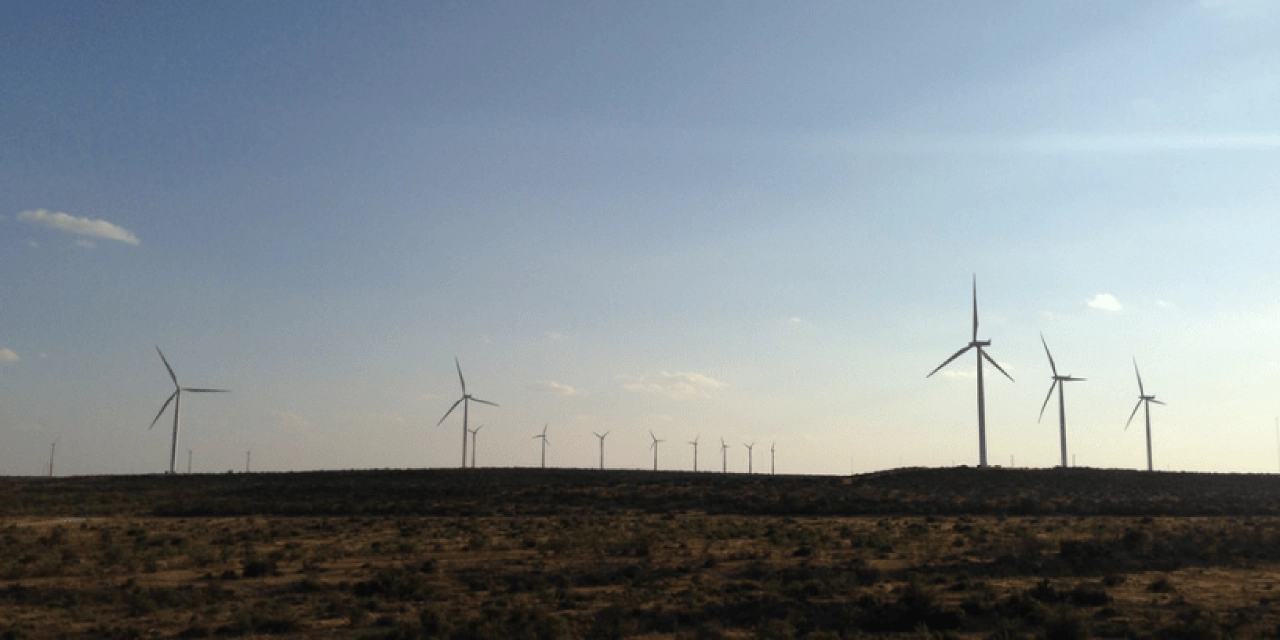
Wind energy starts with moving air. When wind moves across a turbine’s blades, it creates an force that causes the blades and rotor to spin. The rotor powers a generator, either directly or through a gearbox, which converts the wind’s kinetic energy into electricity. The electricity can then be used nearby or sent to the grid to help power homes and businesses.

See the process in action and get a quick look at the history of wind power in this helpful video.
Benefits of wind power

Wind energy brings environmental benefits, but it can also support local economies and renewable energy growth. Because wind turbines don’t burn fuel while operating, they can produce electricity without releasing air pollution or greenhouse gas emissions. It can also provide more stable and predictable energy costs because it doesn’t have to be purchased like traditional fuel.

The benefits can extend to the surrounding community, too. Wind projects support jobs in areas such as manufacturing, construction, installation and maintenance. They can also share space with farms and ranches, allowing much of the land around the turbines to remain in use.


Fun facts about wind energy

  • The largest wind turbine in the world is in Dongying, Shandong Province, China.

  • Wind power does not require any water, which helps in water conservation efforts.

  • A single megawatt of wind energy can typically generate enough electricity to power about 250-350 average U.S. homes.

  • Texas produces  more wind energy than any other state in the United States.


Solar vs. wind energy: a comparison

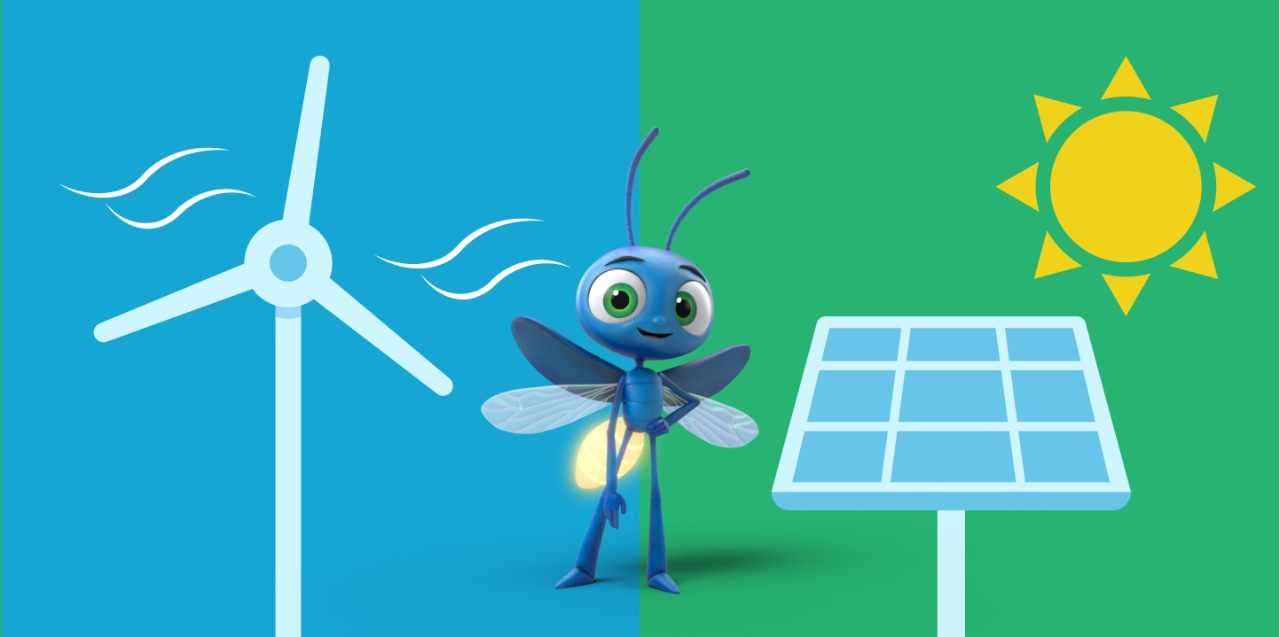
Solar and wind energy both use renewable resources to generate electricity without burning fuel, but they rely on different technologies and site conditions. Here’s how they compare at a glance:

Comparison point Solar energy Wind energy
How it generates electricity Photovoltaic panels convert sunlight directly into electricity. Moving air turns turbine blades and a rotor, which power a generator.
When it produces electricity Produces electricity during daylight hours. Output varies with sunlight, cloud cover, season and shading. Can produce electricity day or night when wind speeds are suitable. Output changes with weather and local wind patterns.
Where it works best Works on rooftops, parking structures and open land with good sun exposure. Works best in open land or offshore areas with strong, consistent wind.
Space and installation needs Can fit on existing structures or be installed on larger ground-mounted arrays. Turbines need greater spacing to limit interference from turbulent air. 
Maintenance needs Has no moving parts and generally requires relatively little maintenance. Includes moving mechanical parts and typically requires more routine inspection and maintenance.
Typical applications Used for homes, businesses, community projects and utility-scale power plants. Most commonly used for large land-based or offshore projects.
Key limitations Output drops when sunlight is limited and stops at night. Requires suitable wind conditions and more space between turbines.

Which one works better for homes?

For many homes, solar panels may be the more practical on-site option because they can be installed on a roof and don’t require the open space or tower needed for a wind turbine. Some areas also offer community solar programs, which allow customers to benefit from electricity generated by a shared solar project without installing panels at home.

Wind turbines, on the other hand, require strong, consistent wind and considerably more space, so they aren't a viable option for most residential properties.  

The good news is that you don’t need solar panels or a wind turbine to support renewable energy. You can also choose an electricity plan powered by 100% renewable energy, no rooftop panels or wind turbine required.

Find a renewable energy plan that helps your business go green.

Enter your ZIP code to get started.

Please enter a valid input

Frequently asked questions

Yes, you can use solar panels and a small wind turbine together, but it may not be practical for every property. A hybrid system works best when a home has plenty of open space and consistently strong wind, along with zoning rules that allow a turbine and tower. Because these conditions can be difficult to meet, solar panels are typically more practical for homes, while wind systems are better suited to rural properties with sufficient land and wind resources. 

Solar and wind energy offer different but complementary benefits. Solar is adaptable, widely available and capable of generating electricity at both small and large scales. Wind can produce electricity day or night and is especially effective in areas with strong wind resources. Rather than competing with one another, both technologies can contribute to a cleaner, more balanced energy mix. 

Our customers have avoided


pounds of CO2

That’s like planting


new trees.