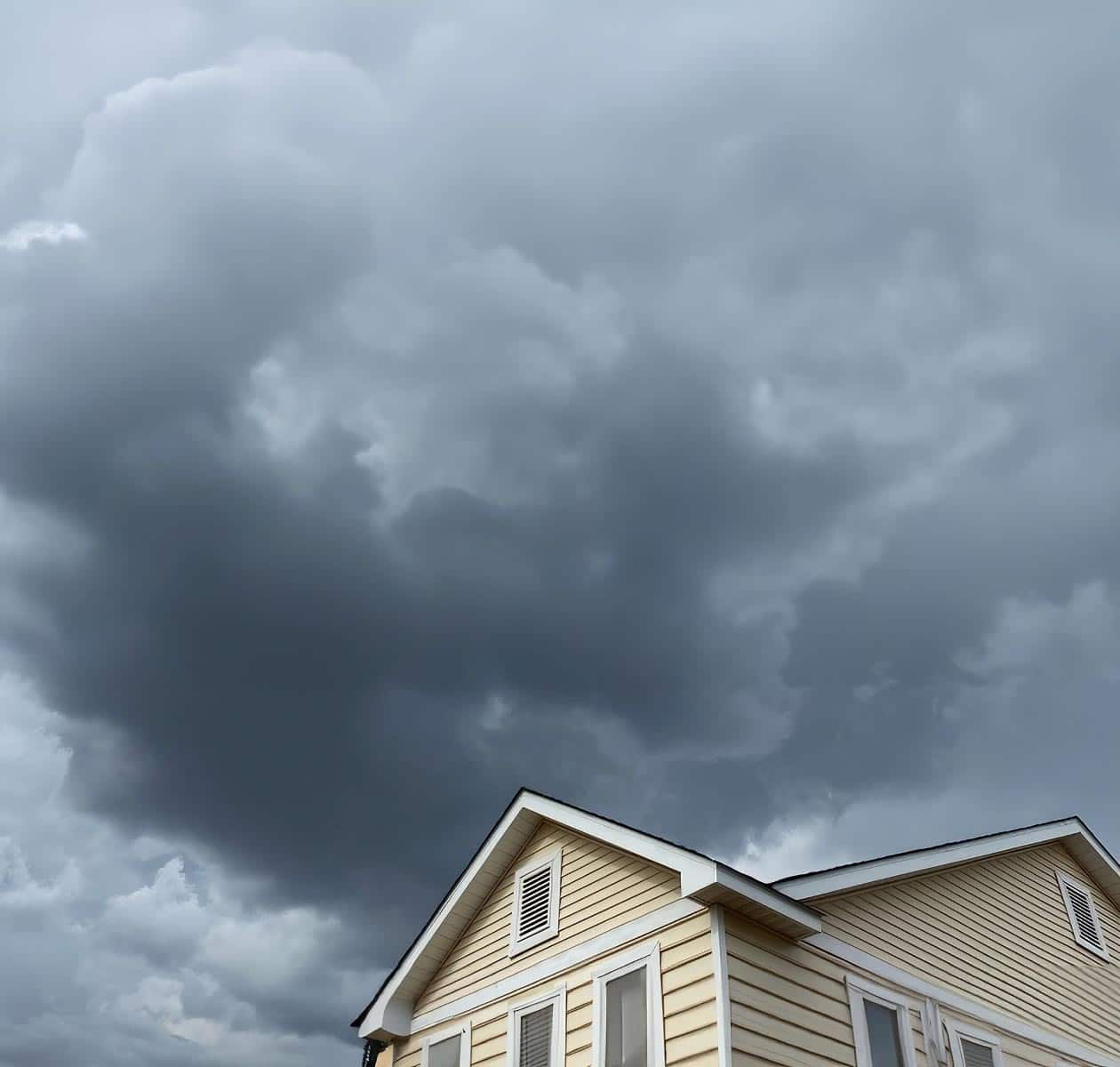
1. Stay alert
When you’re notified that a storm is coming, your first job is to stay informed. Listen for the latest updates from your county and city officials and keep an eye on local radio and television reports.
Be sure to check resources like the National Weather Service or the National Hurricane Center regularly.
2. Stock up on supplies for your home and car
Before severe weather arrives, make sure you have stocked up on these essentials:
- Bottled water
- Non-perishable food
- Medications (prescription and over-the-counter)
- First aid supplies
- Toiletries
- Pet food
- Rain gear
- Batteries
- Flashlights
- Battery-operated radio
- Solar-powered phone charger
- Backup power solutions, including a generator and a portable power bank
3. Protect your home
Trim trees and shrubs around your home to minimize the risk of broken branches and debris. If large storms with sustained high winds are predicted, consider covering your windows to prevent breakage. In the case of higher-category hurricanes, place sandbags in areas that may be prone to flooding.
4. Prepare to evacuate if necessary
- Follow all advice from your local officials when deciding whether to evacuate before a storm. It’ll likely be too dangerous to evacuate once the storm hits.
- If you’re sheltering in place, designate a safe area in your home away from windows and doors.
- Pack a bag of essential items, including a phone charger, clothing, socks, shoes, toiletries, cash and important documents (in a resealable plastic bag).
- Get your car ready by filling up on gas, performing any necessary maintenance, checking and replenishing all fluids, replacing your windshield wipers and filling your tires with air.
- Keep emergency phone numbers in multiple places and ensure everyone in the family knows the warning signs and what to expect.